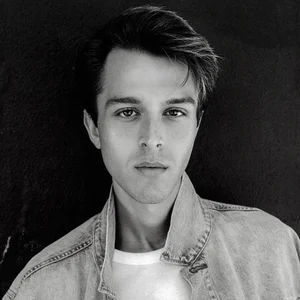
Semyon’s World
For the longest time, Semyon’s profile picture was his girlfriend’s feet on his face. It’s a perfect representation of the spirit of youth living in post-Soviet Russia. Hidden away in uniform concrete apartments, their lives resembled a quiet beauty, one that meant warm teen years for many.
For a select few, these years would become memories as they planned their escape. But never on two single benches mirroring each other — those were holy structures for gatherings of youth, when time stopped too radically to think about anything at all.
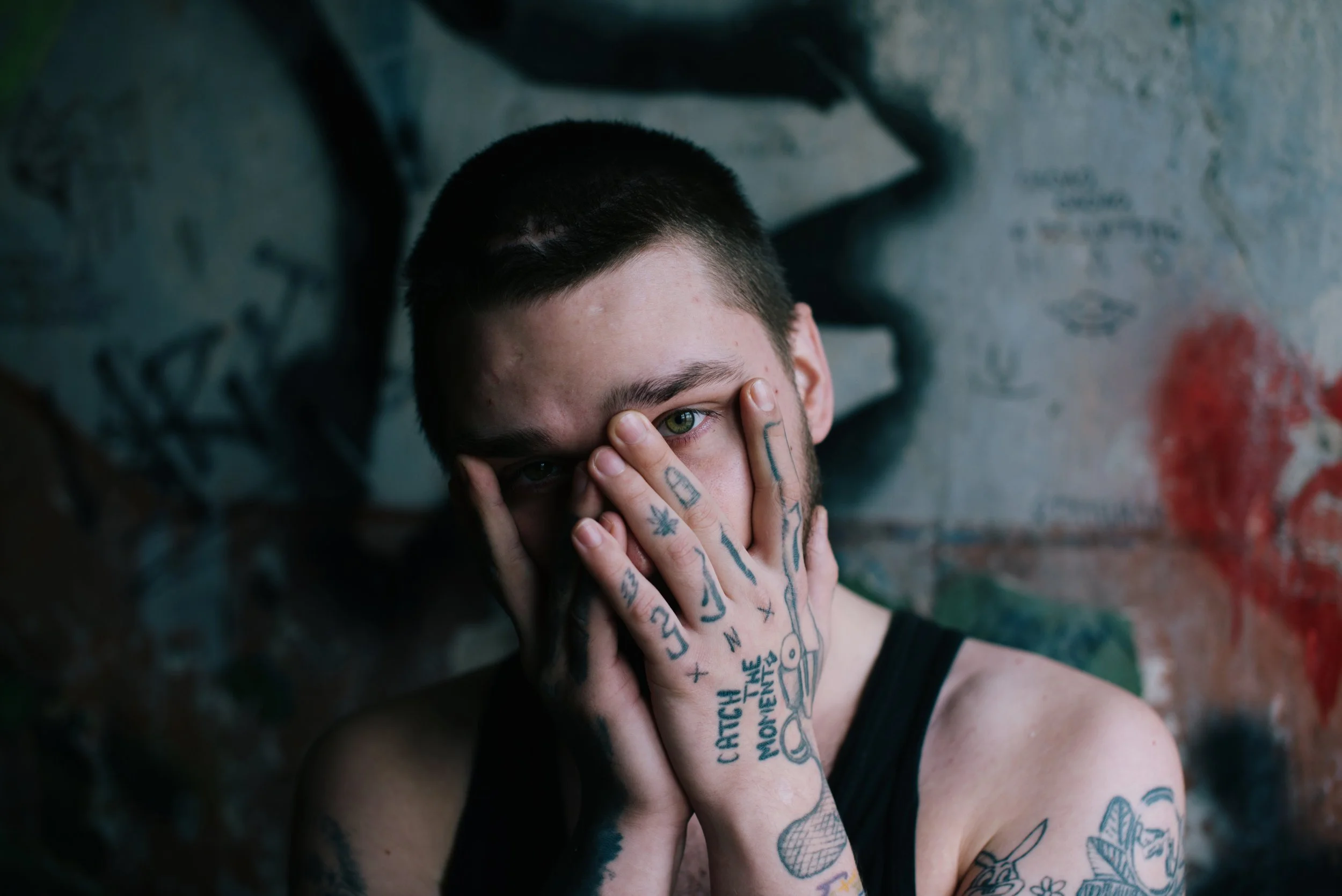
Photograph by Semyon Kokorin, Russia, 2022
To say “hidden away” would be wrong, as all they did was make themselves known. Russia, in many ways, had instilled an underdog status in post-Soviet adults, who would go on to have kids that never truly identified with one set of ideals.
Their escape would become social platforms — quiet lives for many on the outside, but full of life on their phones. The leaked Lana Del Rey track would first appear on her phone. His moral compass became the magnetic Hollywood actor that would represent freedom and proximity to opportunity.
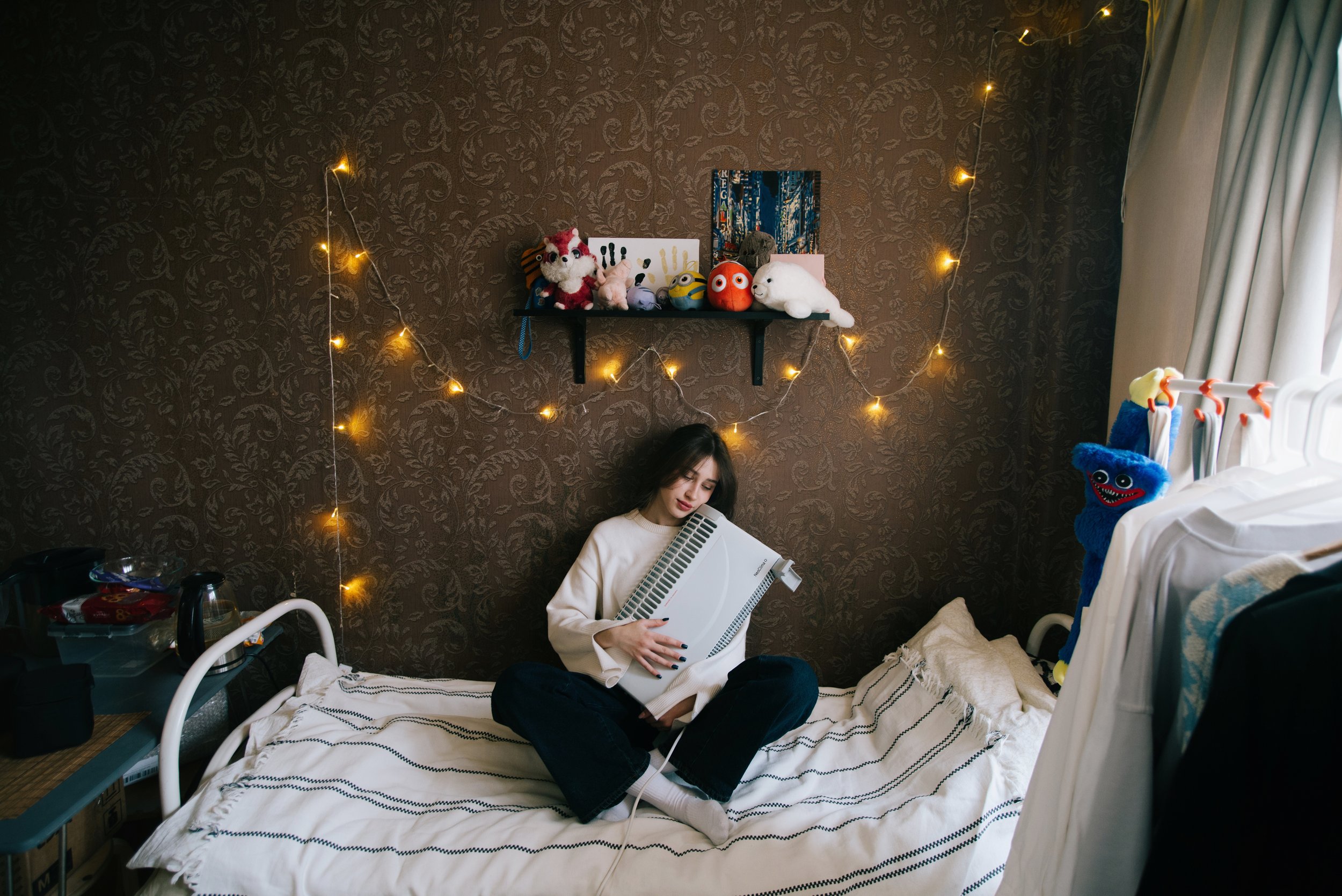
Photograph by Semyon Kokorin, Russia, 2022
Semyon leans into it. Being an observer grants power. The self-aware perspective and talent to frame, capture, and emotionally translate this little world intrigued me years back.
Living in Batumi, Georgia, in the winter of 2021, with lockdown in effect, my world had to become a digital escape. Semyon’s work became an equalizer — his eye saw, grabbed this lifestyle by the collar, and presented it as something uniquely beautiful.
It so vividly strays away from the normal pattern — to leave, create anew, and restart. Semyon’s work leaned so deeply into it, it fostered a natural body of work that does more than show us a small type of life, in just another country, with just another subculture built upon a compote of past and future longing.
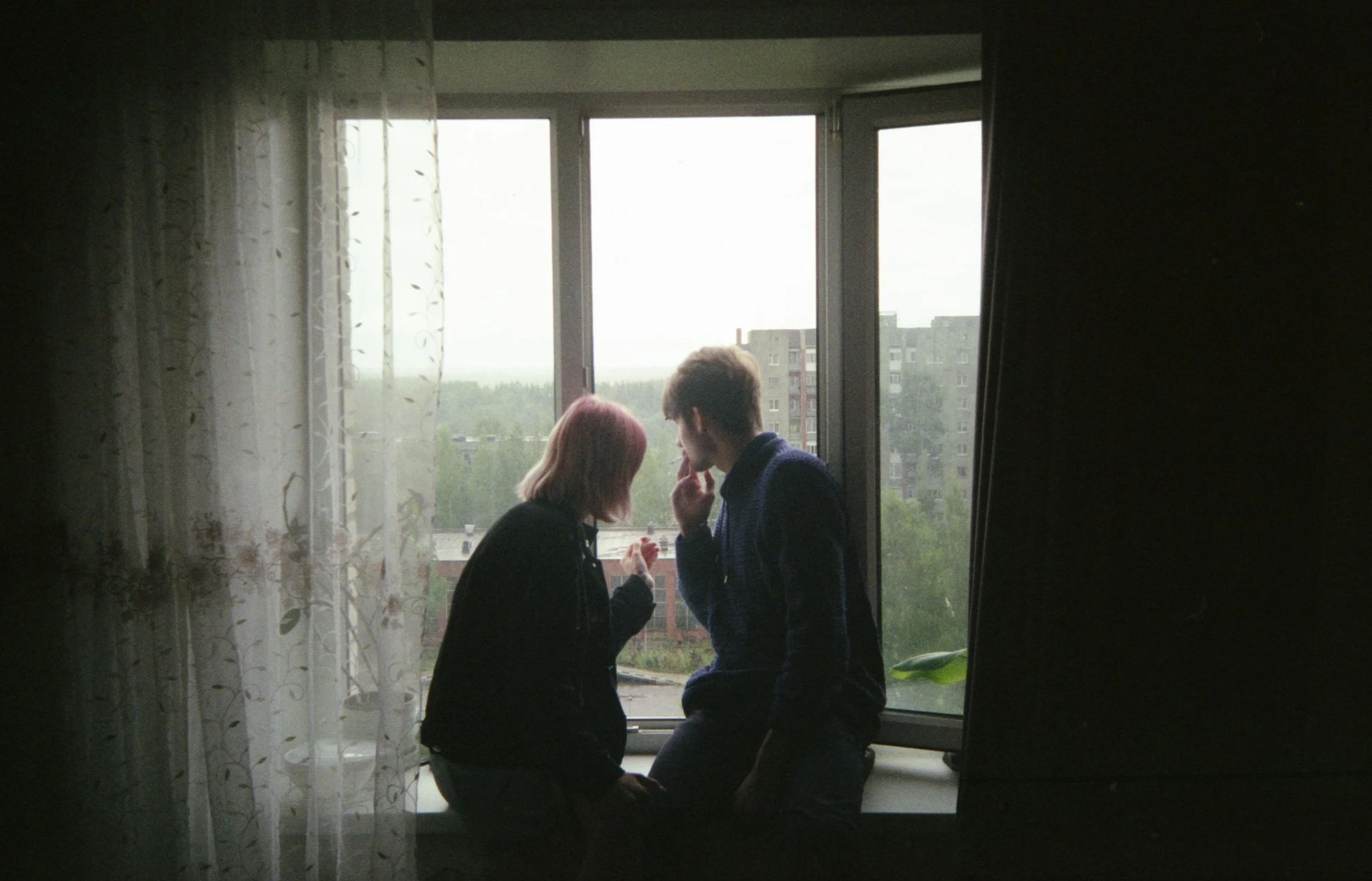
Photograph by Semyon Kokorin, Russia, 2022
I remember my frustration. The whole matter was absurd. Though looking back, it saved me. I owe the spirit of my need for catalyzation to it.
In the wake of a promising 2020 spring, lockdown begins. The world receives a pause, travel bans are put in place, and my family plans to travel across the Atlantic to Russia. Prior to our leave in January, the first summer of lockdown felt electric. TikTok became the hub for teen youth. A record store, mall, school lunch table — this one platform would go on to become a place of refuge. “Straight TikTok” was somewhere you did not want to be. Grunge TikTok was somewhere I resided most proudly.
I remember, once we could begin to see others rarely — or rather I would mostly accompany my sister’s meet-and-greets with her boyfriend and his family — I would announce that I was part of grunge TikTok as if I had fought for it my whole life. It was my greatest achievement at the time. Cavetown, Shoegaze, picking through your dad’s old clothing from the early 2000s — baggy jeans and polos that smelled of attic air — there became an alchemy to life.
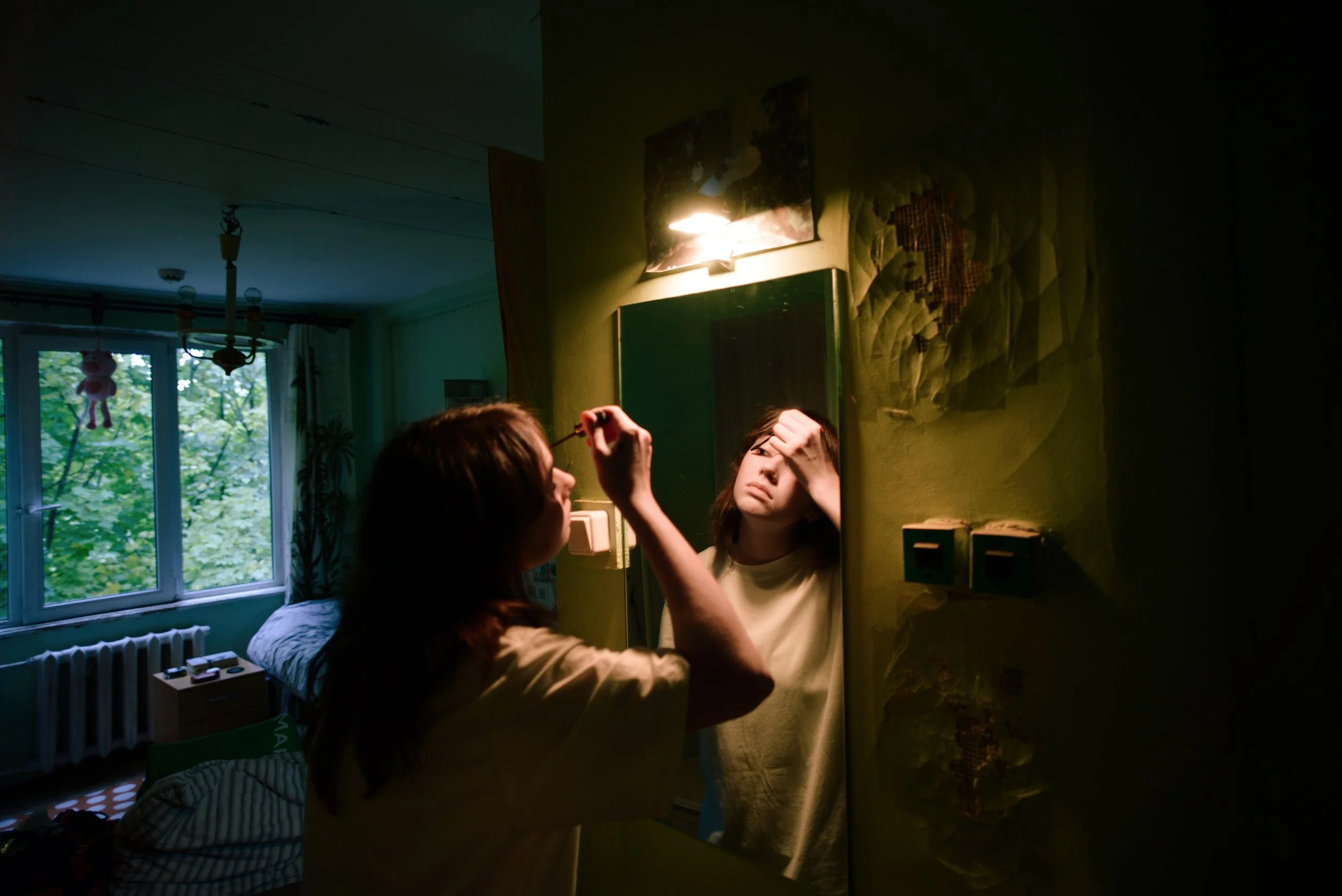
Photograph by Semyon Kokorin, Russia, 2023
Amidst all this, post-Soviet Russia became the pinnacle of cool. Well-off teens living in gated suburban neighborhoods in South Florida — their parents — doctors and lawyers — would romanticize the concrete sameness of post-war life.
The teens that were forced to deal with their back-of-the-line positioning were now being brought towards the front of the line, with the most popular kid mimicking the make-up of a person as an aesthetic, rather than seeing them as the product of a complex and different scope of opportunity.
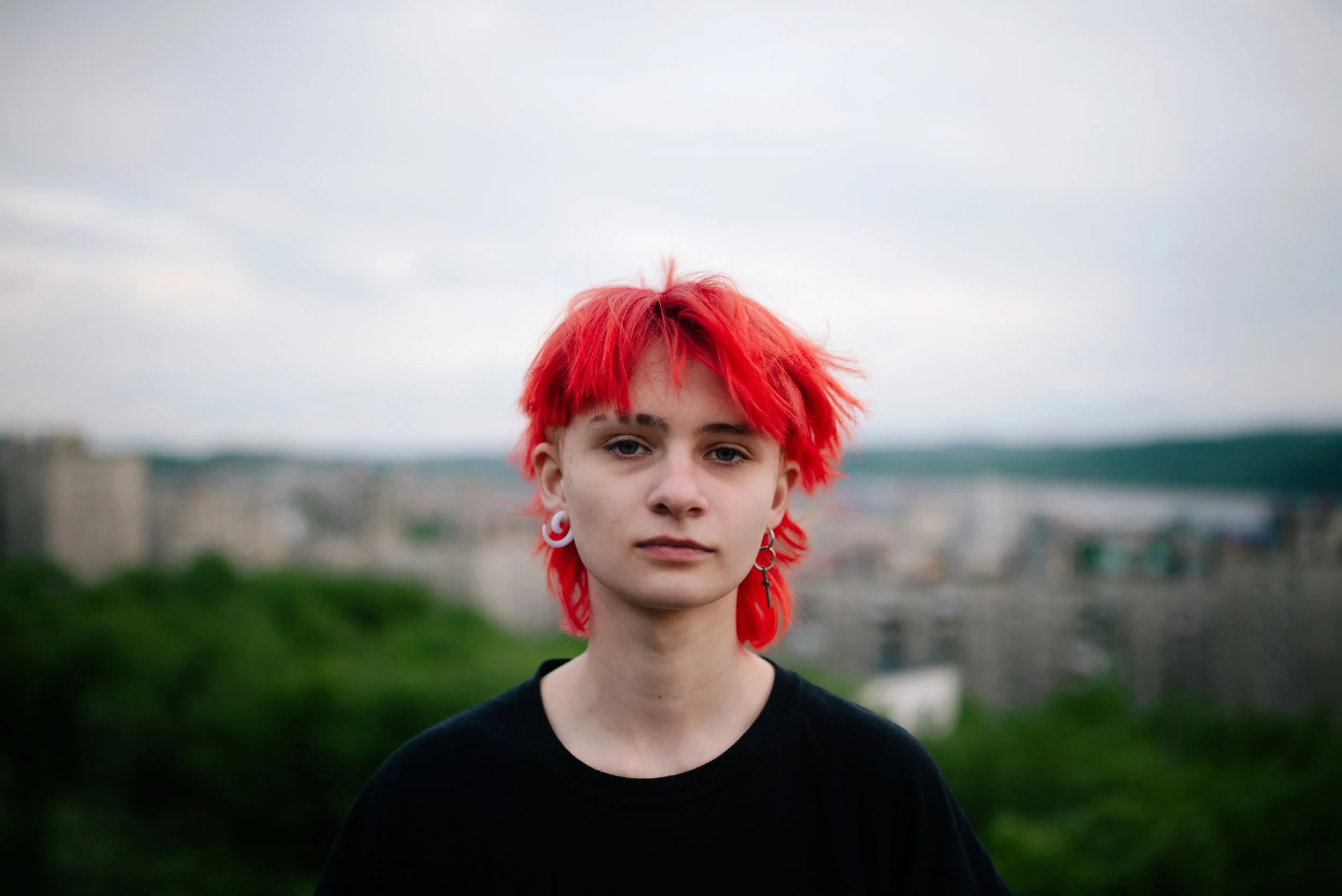
Photograph by Semyon Kokorin, Russia, 2023
I remember going to school, remembering how weird it was to see the “popular” kids look like side characters in Diary of a Wimpy Kid. Headphones on a string, just to come back to their multimillion-dollar houses, in which their mom would be begging them to put on a polo.
You know what I think they were missing? The grit and chemical freedom.
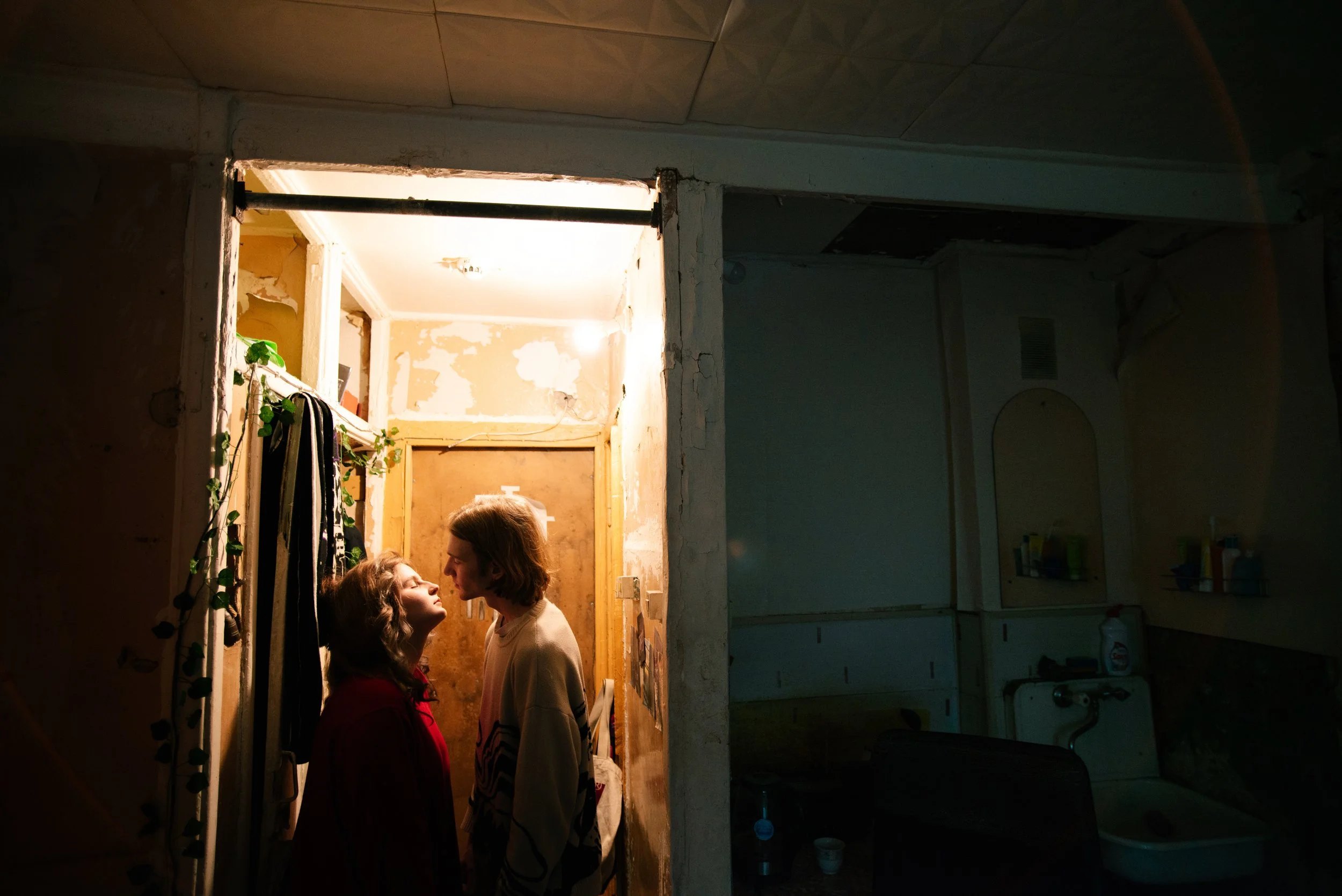
Photograph by Semyon Kokorin, Russia, 2023
The radical acceptance of their positioning allowed the red-headed, freckled 14-year-old angel from a concrete sameness to find beauty in the mundanity of her living.
Though dangerous in the long run — to fall in love with the boy next door, who would probably be drinking his brain away in 20 years — at the time they would find themselves two beings on the edge of society, away from the big Euro cities and the titan of America, yet just close enough to be sizzled by the feeling that they simply missed their birthplace by a step on the ladder.
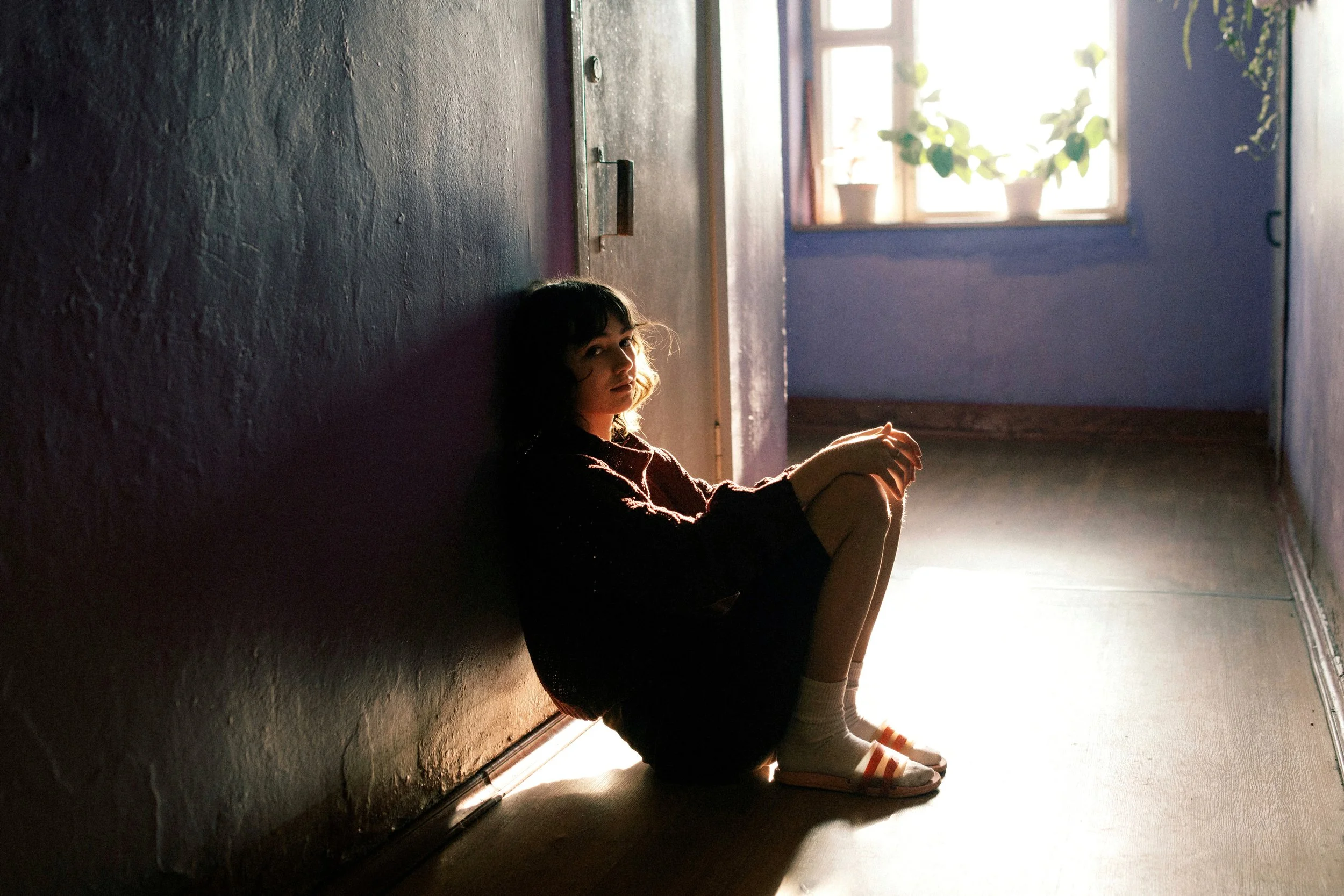
Photograph by Semyon Kokorin, Russia, 2023
So they would go on. They would throw on their synthetic windbreakers, cheap jeans from the nearby mall, torn-up tennis shoes, and spend their lives outside.
The Russian days when the sun felt perfectly warm and soft, and the night would carry the humidity through. They would drink on the steps, walk to alleys to make out, sit at each other’s apartments.
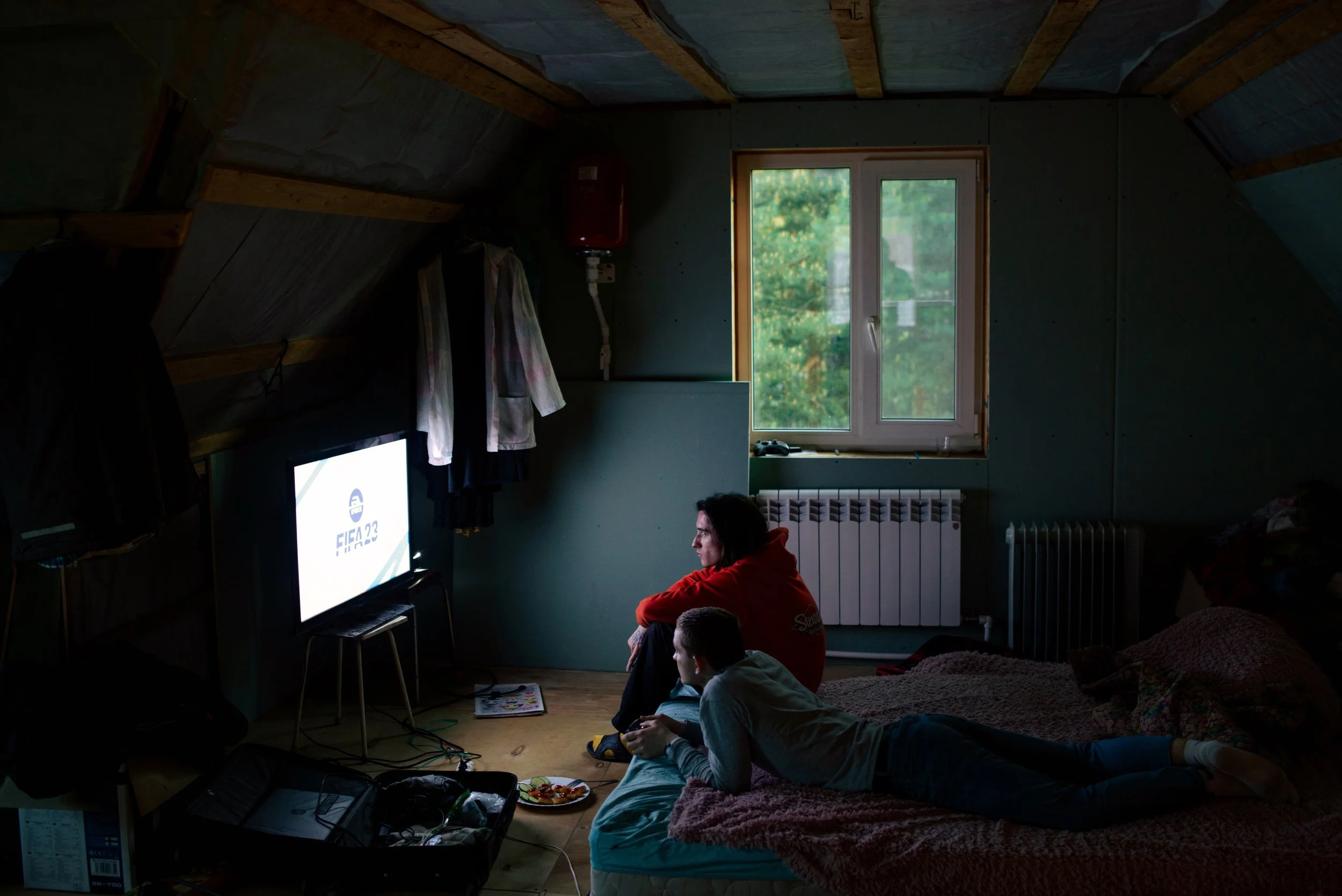
Photograph by Semyon Kokorin, Russia, 2023
When at home, their phones would become spaces of private texts and calls — plans to maybe get out, confessions of eternal love, heavy tears falling on the glass — the obsession of a boy, a beautiful girl, the urge to protect beauty, the weight of the world creeping in, the weight of lack of proximity.
In the morning, they would wake up to drink tea on the balcony, and do it all over again. Chemical lives of longing, displacement, purity.
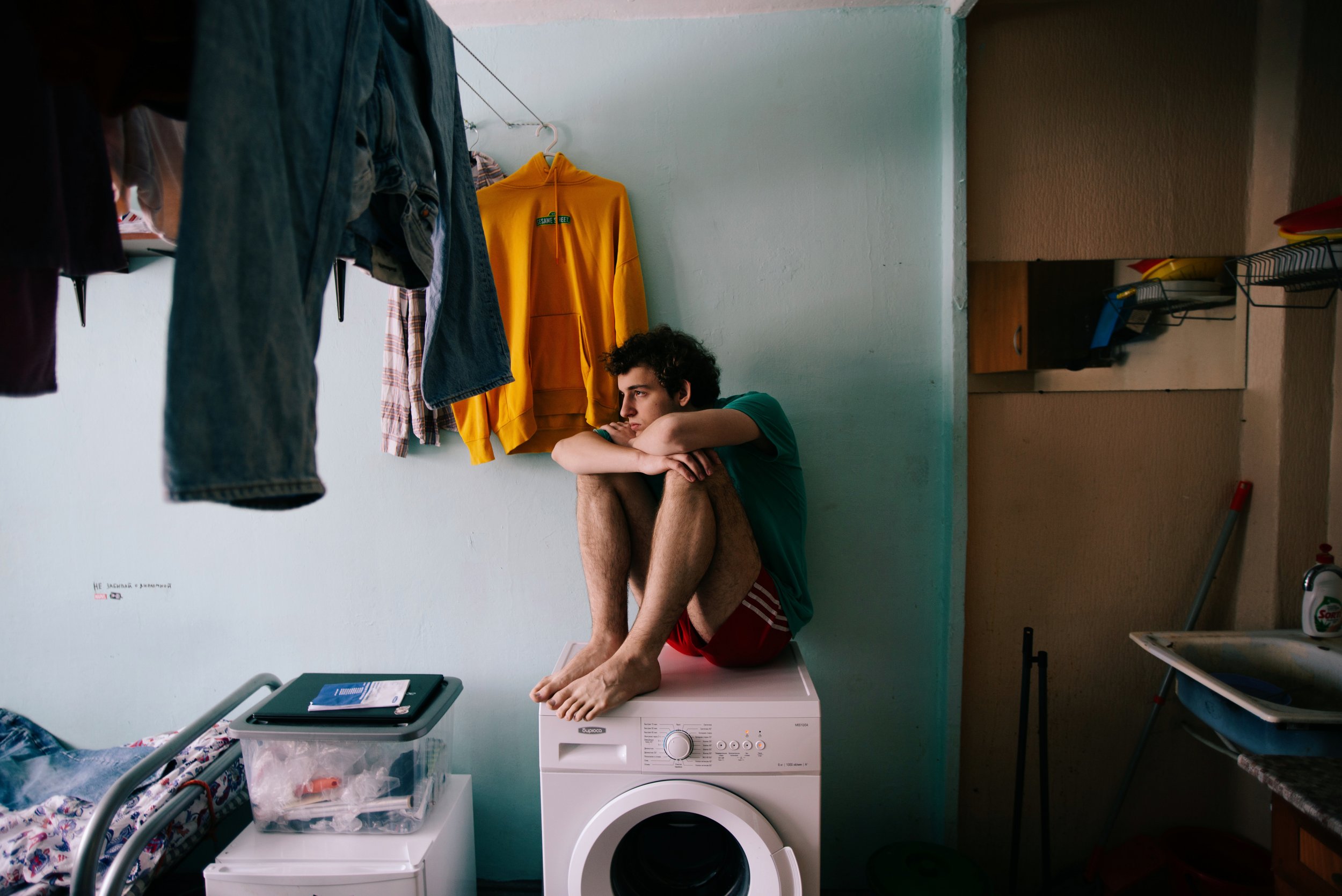
Photograph by Semyon Kokorin, Russia, 2023
This is where we find Semyon’s work. An observer of the process. A scientist and absolutely necessary excavator of this life. Semyon breathes such honesty into the work, it makes it mythic. Those kids would grow up. Some would stay, some would leave. Late-night runs and conversations would become sweaters in drawers. If you were to bring your nose closer to the fabric, you could still faintly smell the summer night.
The long hair, freckled face, cuffed jeans, displaced. Long and distant lands of same cities, the same cheap snacks, the same ten friends that would band together and intensify the almost explosive potential in each individual. It amplified in the beauty of it all, the way all their parents knew their kids were currently in-between.
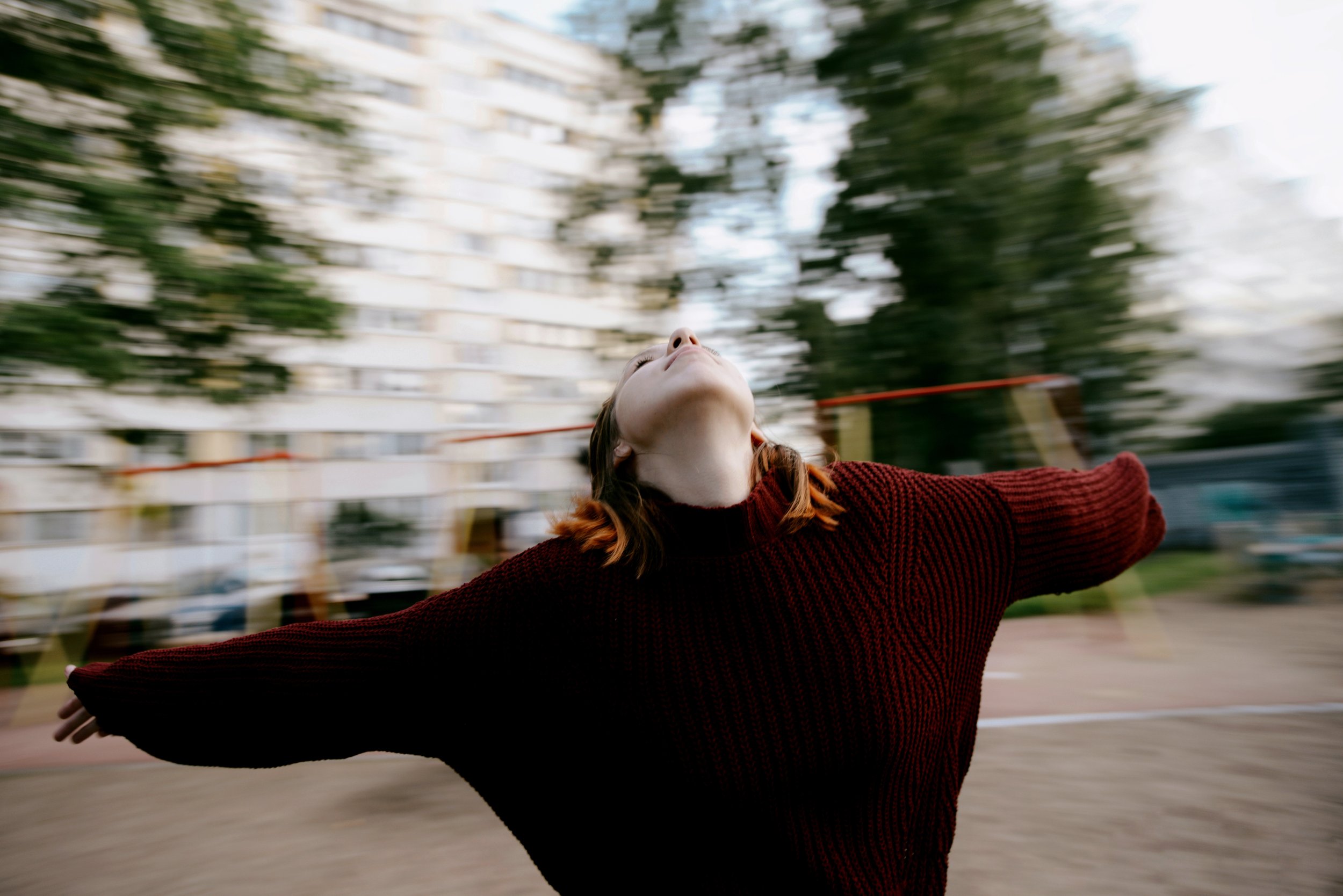
Photograph by Semyon Kokorin, Russia, 2022
The parents’ hearts would ache painfully later, wishing they could turn back the clock and see their son with pimples, long hair, and beat-up tennis shoes, just for a moment to give him a hug while he was in a strange, beautiful place.
Away from the world, a time capsule of this life was built through Semyon’s work. Depicting a world so in-between, it amplified the instinctual feeling we can experience when our external systems fall down — true freedom, the beauty of seeing everything simply, through the eyes of an unknown Russian teenager.
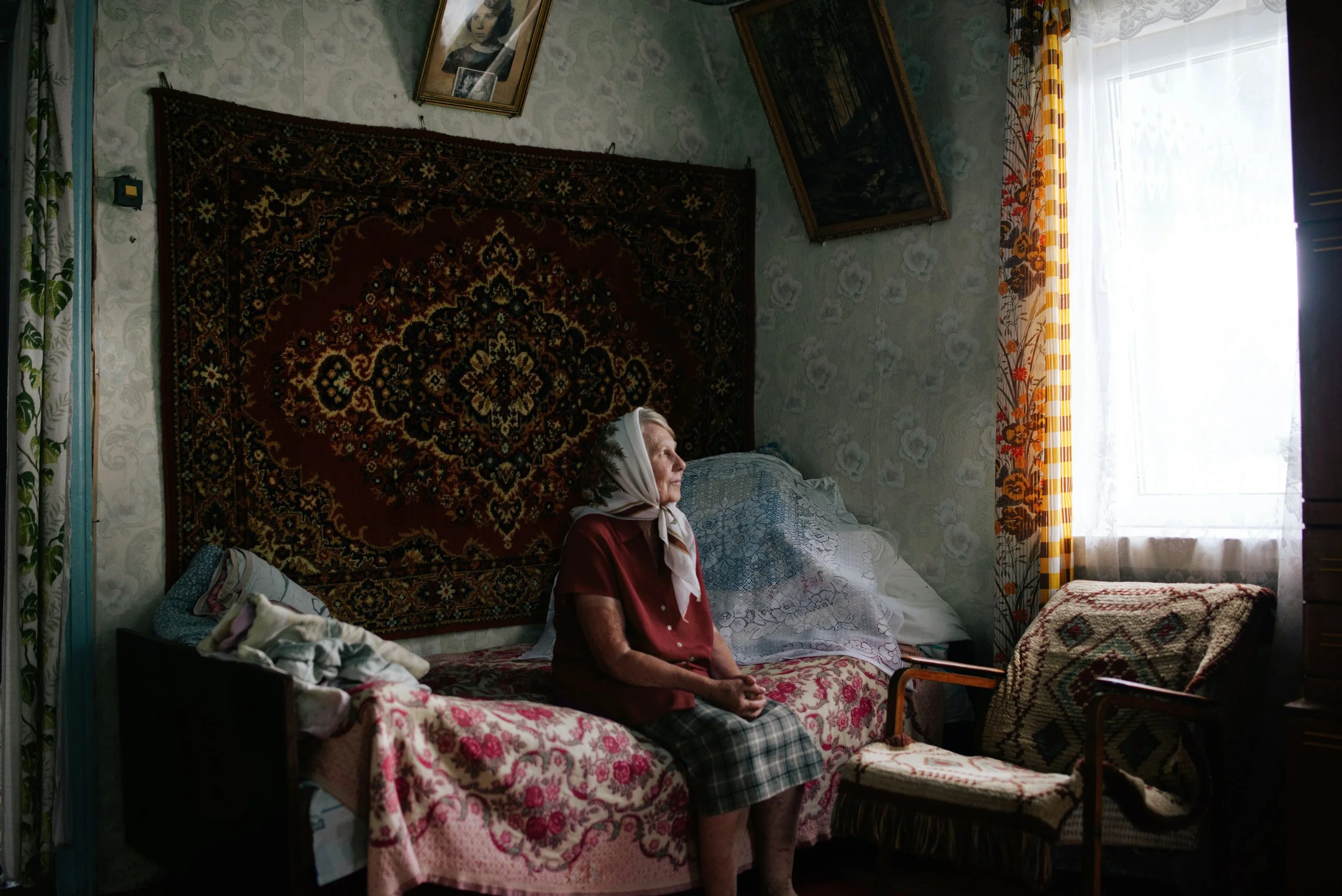
Photograph by Semyon Kokorin, Russia, 2022